

Before your first dive
No training is needed. Read your model’s user manual and watch its tutorials to get to know your equipment. If you have any doubt about your health, seek medical advice before use.
Explore OXSEA School
Safety, from the workshop to the water.
From materials to testing, discover the steps behind your next dive.
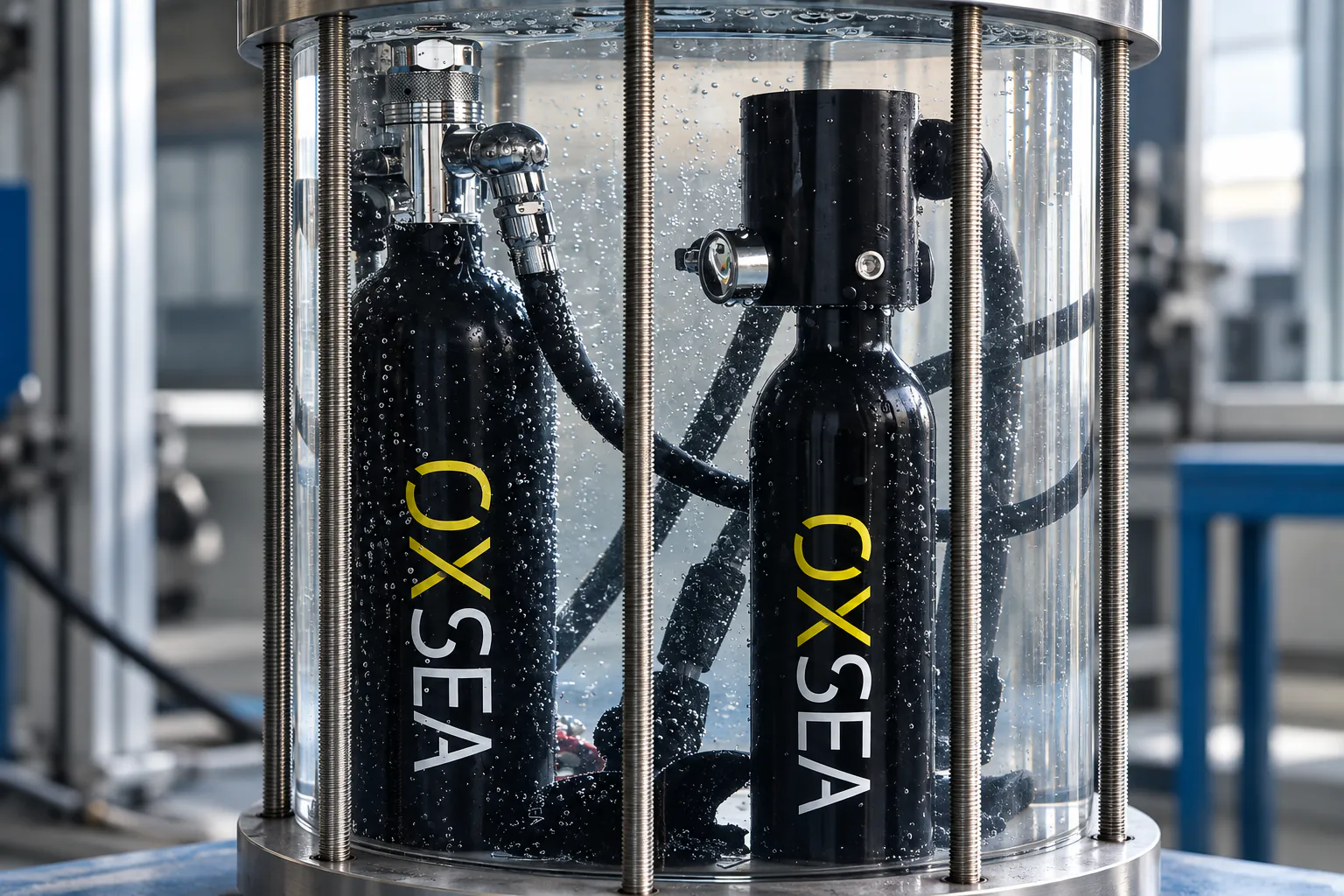
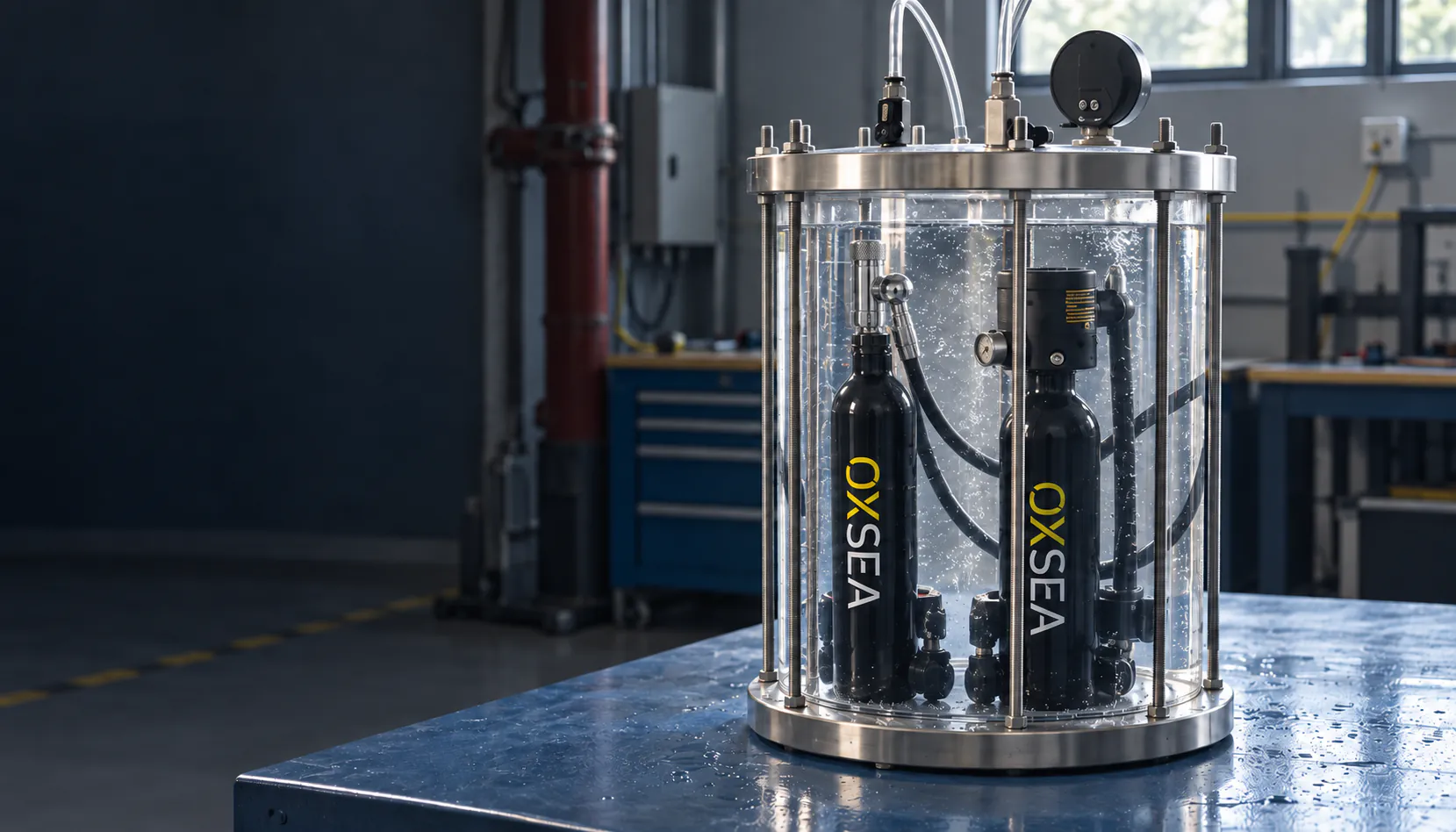
Go behind the scenesImmersion test chamberImage recreated from our factory photographs
Safety begins with design, is checked through testing and continues with your preparation. Follow the journey, from a metal component to entering the water.
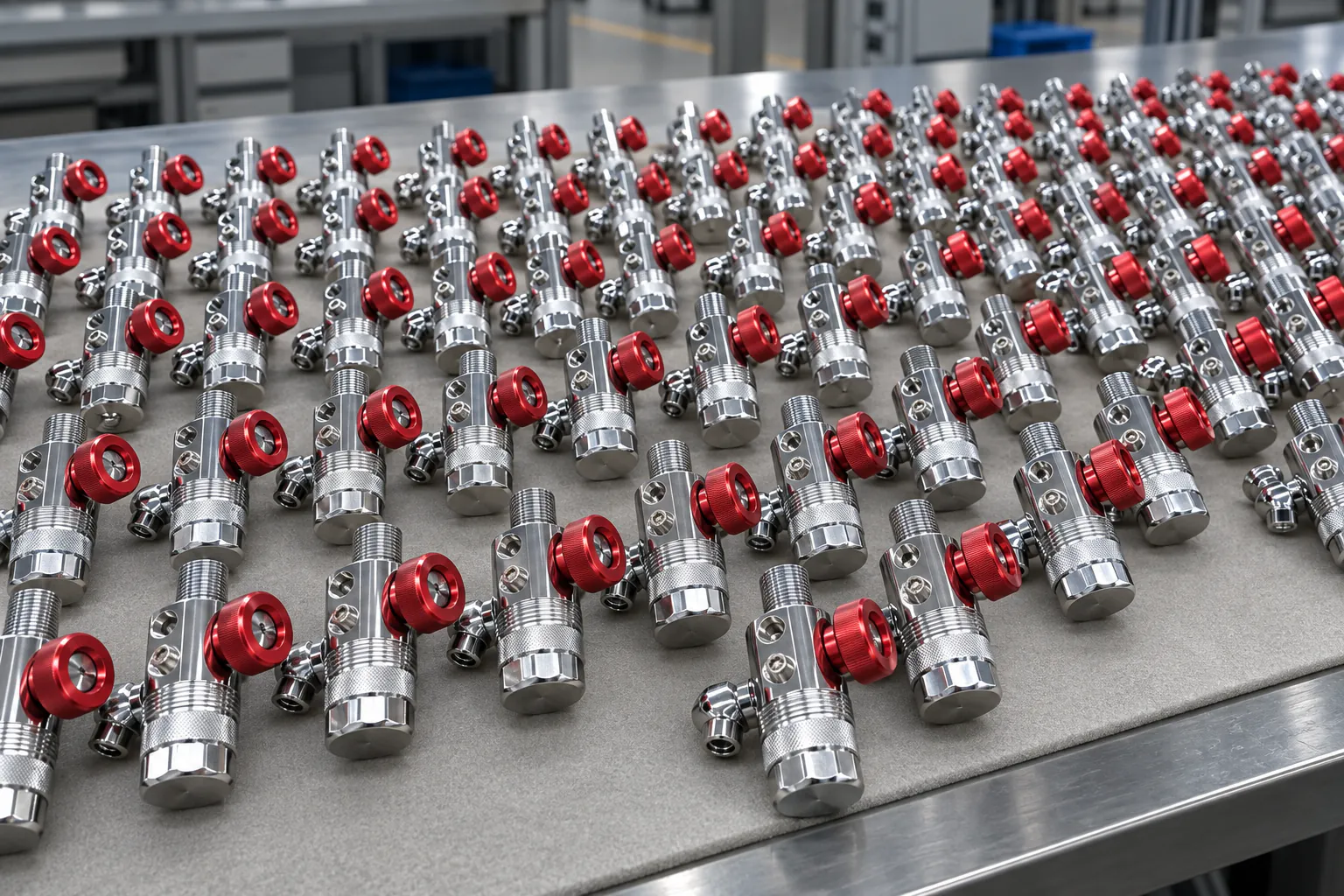
01Materials and components
Before it becomes an air supply, a tank is a set of components that must work together.
A 6061 aluminum body, a regulator, seals and a pressure gauge. Each part plays its role; precision and assembly bring them together as a complete system.
The quality of the body matters. The quality of the connections and assembly matters just as much.
OX500, OX1000 and OX2000 tanks use a 6061 aluminum body. Around it, the valve, seals, regulator and pressure gauge each have a specific role: containing the air, preventing leaks, making breathing possible and allowing you to monitor pressure.
For the OX500, the manufacturer’s documentation describes a one-piece 6061-T6 aluminum body, CNC machining and a corrosion-resistant finish. Precise components lay the groundwork for quality assembly.
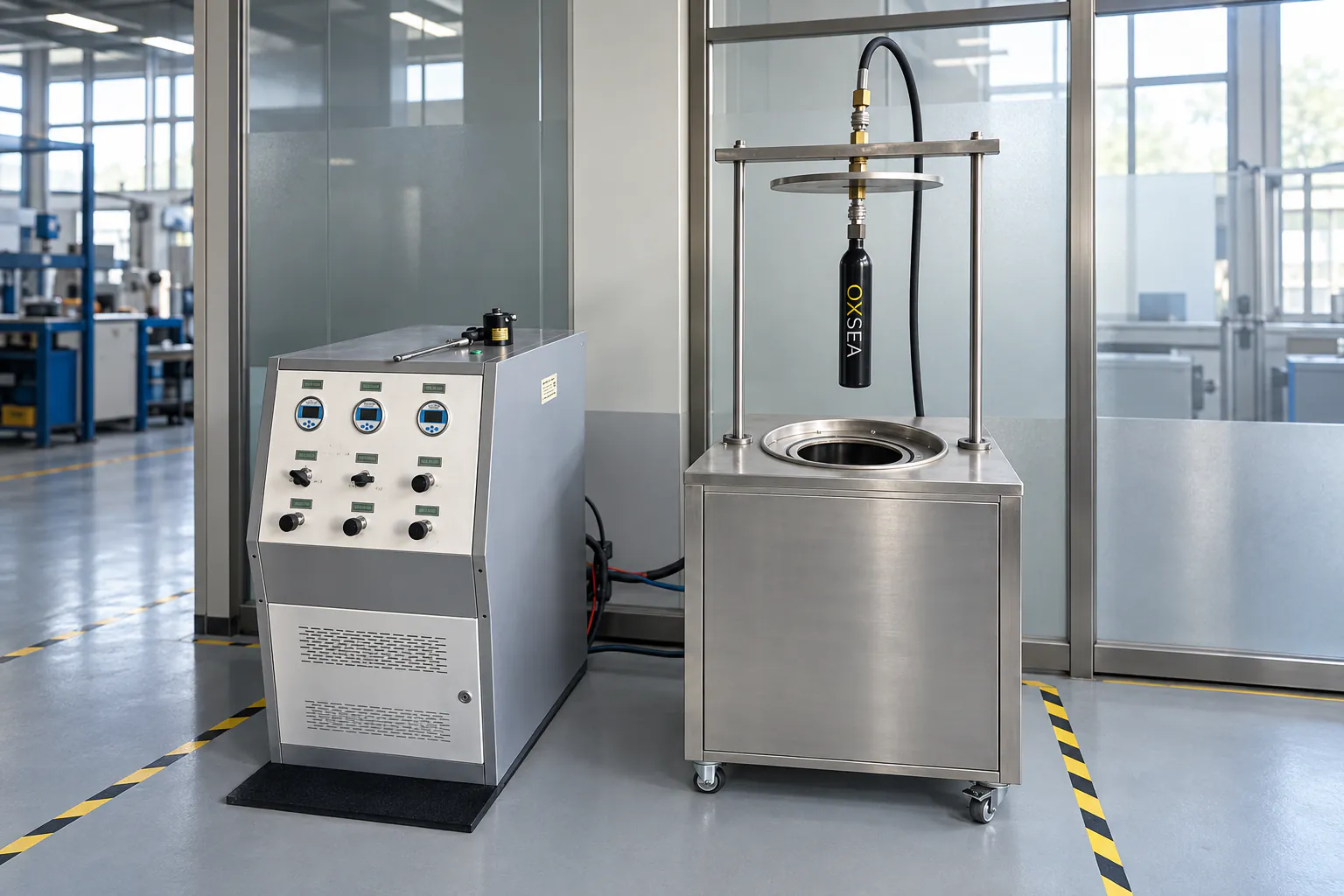
02Withstanding pressure
Air is stored under high pressure. The tank body must be designed to withstand that load.
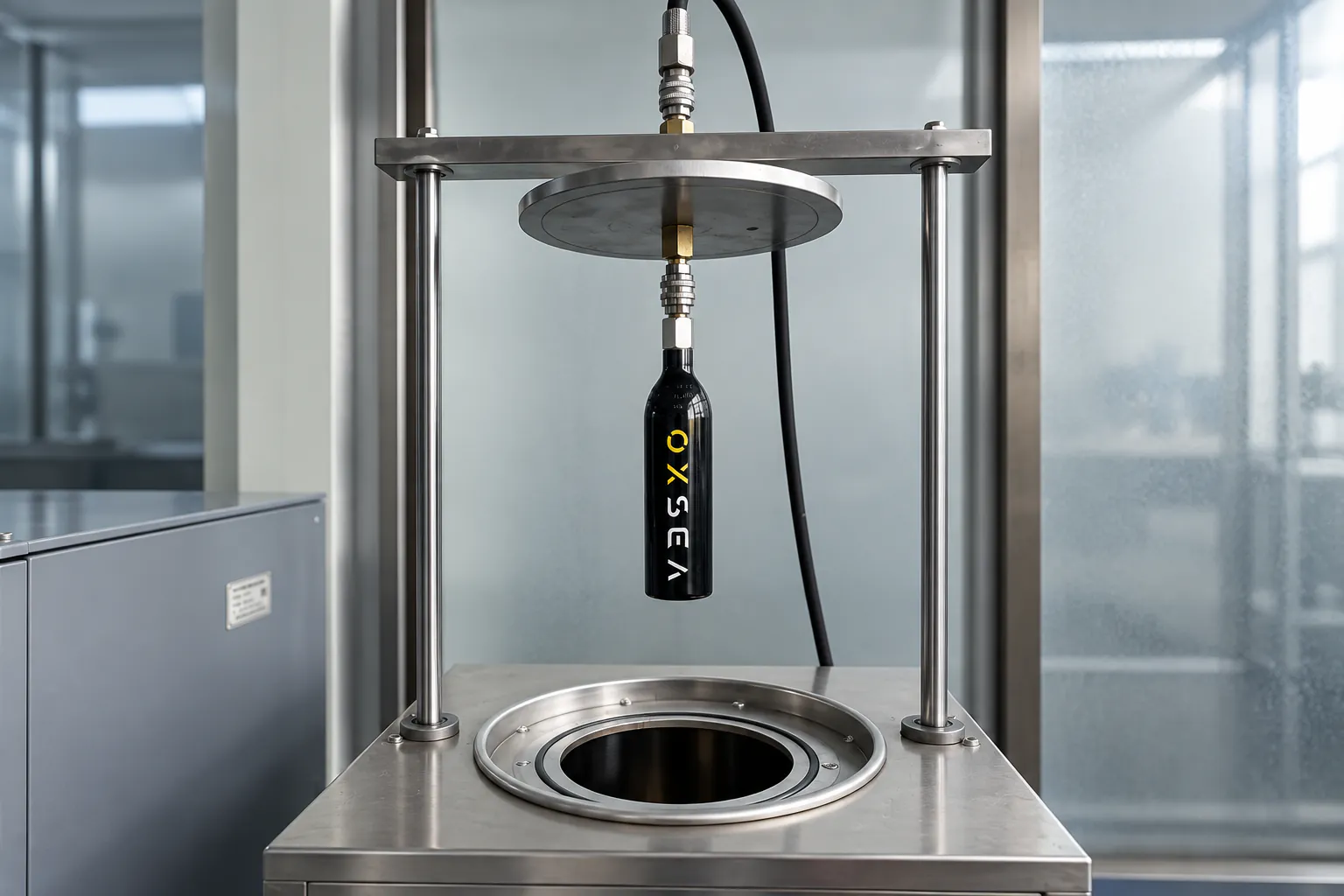
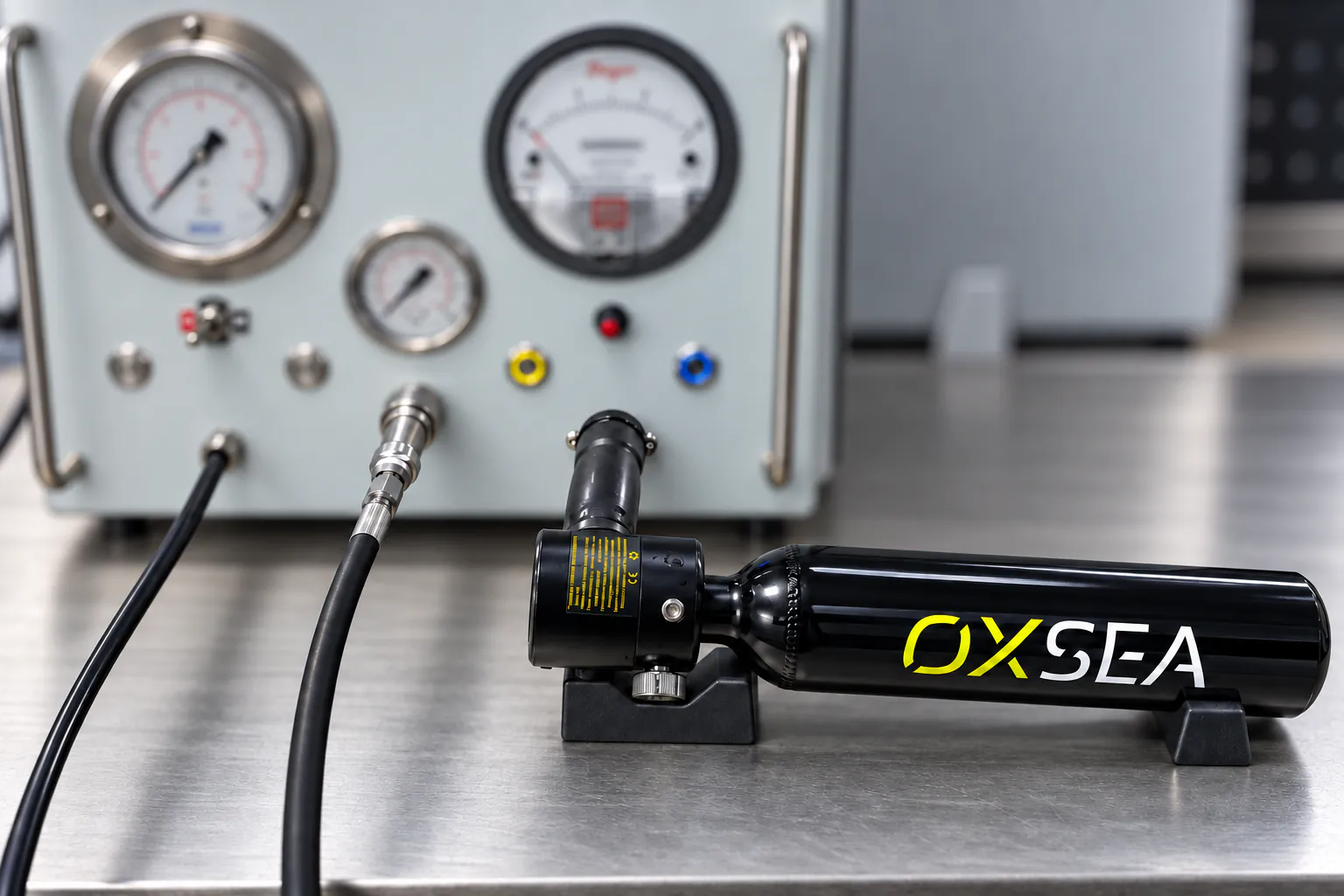
Pressure test benches examine the equipment’s strength under load. OXSEA tanks are designed for a working pressure of 200 bar, which must be respected when refilling.
A test pressure never authorizes overfilling. Always refer to the limit stamped on the tank and its user manual.
OXSEA documentation specifies a working pressure of 200 bar. The factory images show a high-pressure test bench and an immersion test chamber: separate systems for examining how components and equipment behave under load.
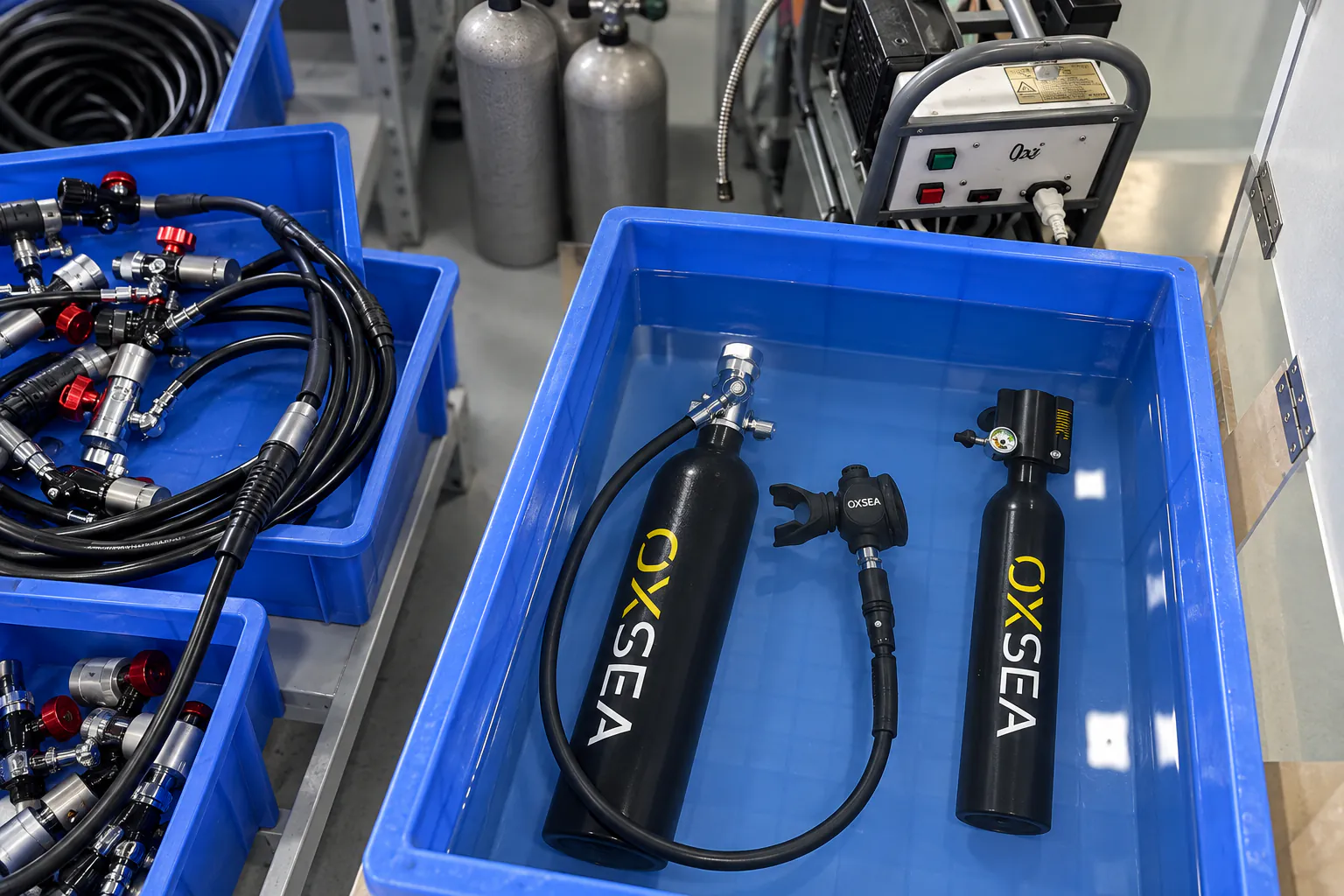
03Leak prevention
A reliable air supply also depends on the seals, fittings and every connection point.
Immersion helps reveal bubbles that may indicate a leak at a seal, fitting or regulator. The focus is on the assembled equipment.
Before each outing, any leak or unusual pressure loss means keeping the equipment out of service and contacting support.
Immersion makes bubbles that may indicate a leak visible. This check complements the inspection of the body by focusing on the assembled equipment: valves, fittings, hoses and regulator, depending on the model.
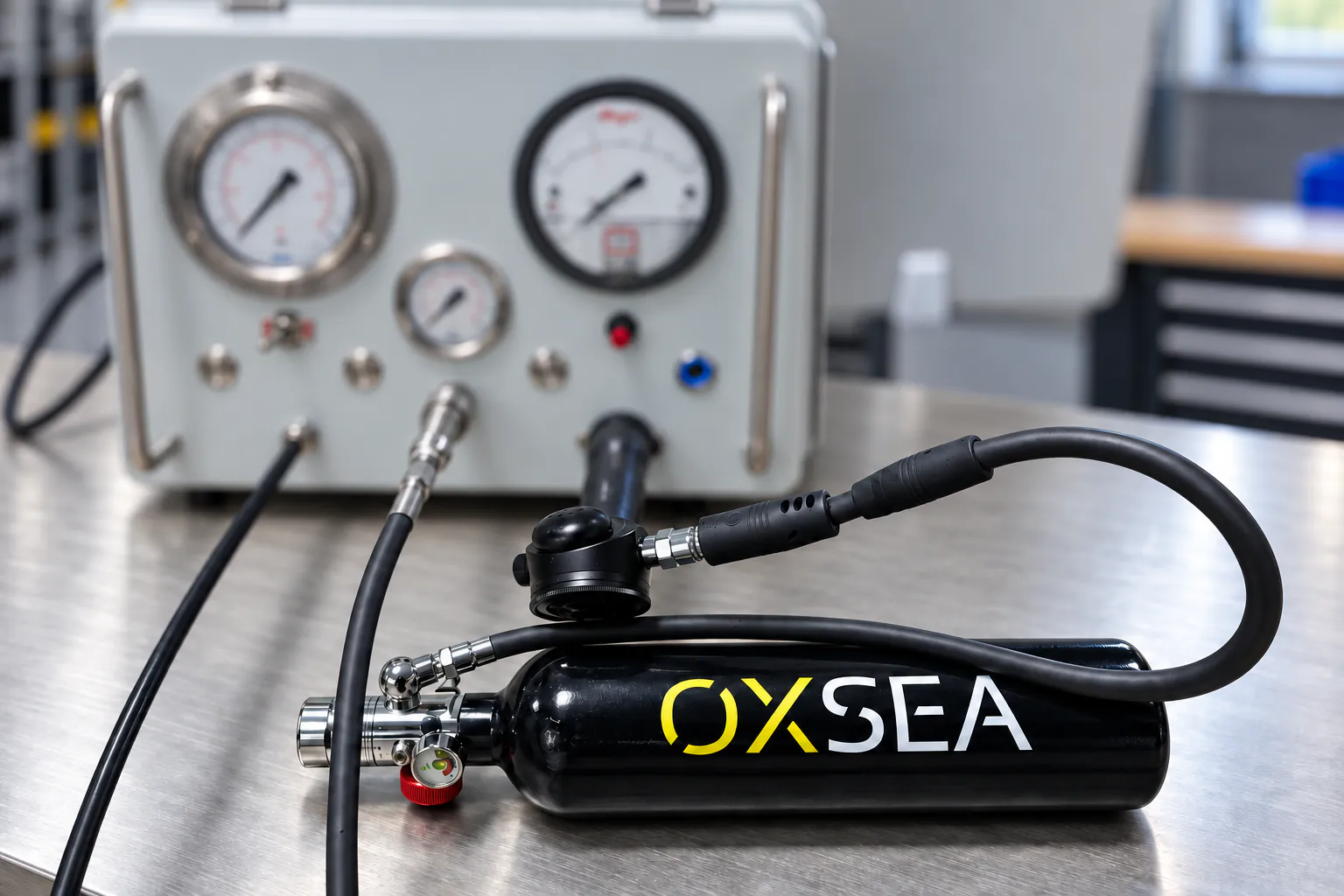
04The regulator and airflow
The regulator connects pressurized air to your breathing.
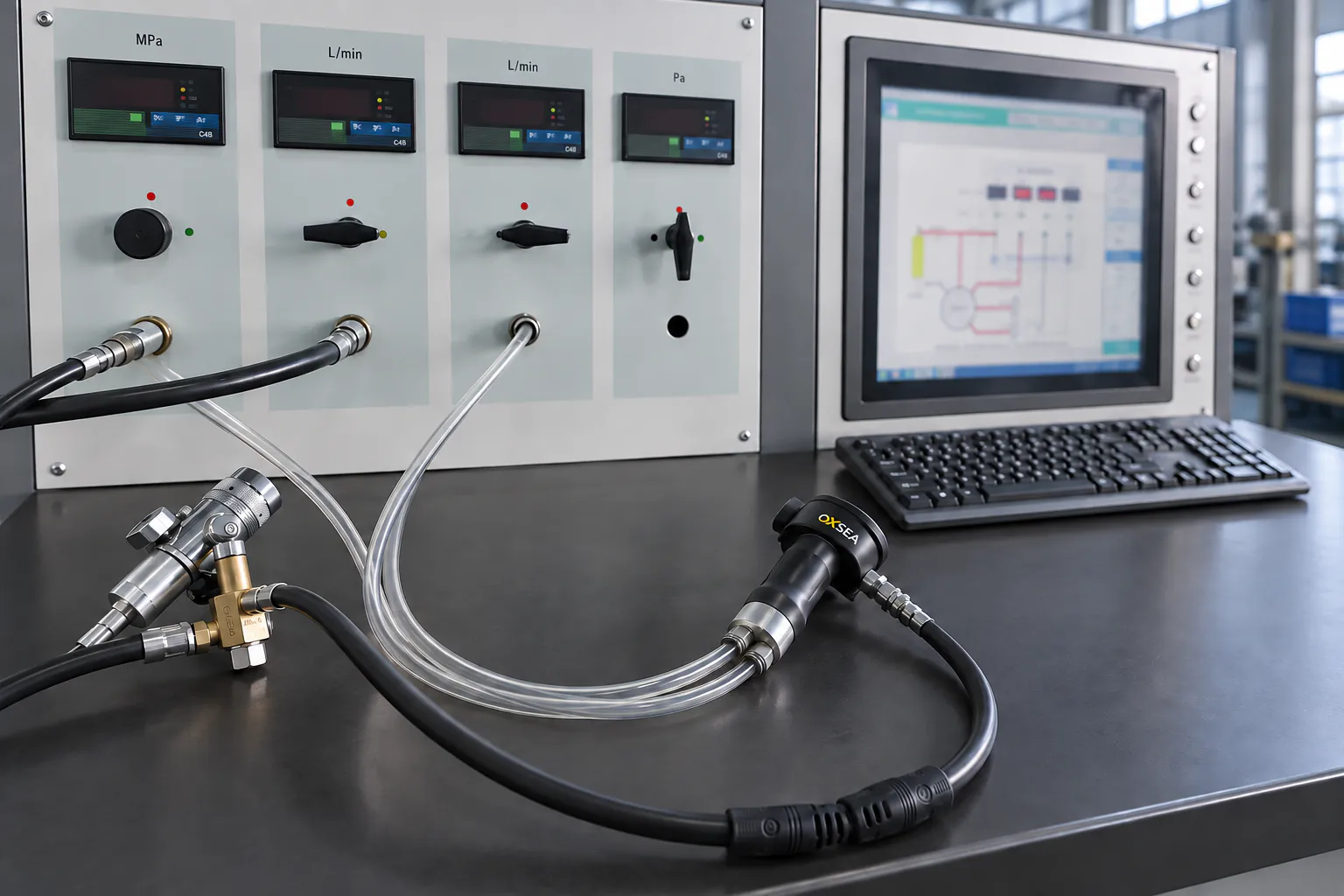
On the test bench, regulator operation and airflow are examined. The regulator’s role is to deliver air at a pressure suitable for breathing.
Difficult breathing, free-flowing air or unusual operation must be addressed before the equipment is used again.
The benches shown measure regulator operation and airflow behavior. Setups with integrated and external regulators are examined with their own connections. These measurements focus on how air is delivered, beyond the strength of the tank itself.
05Salt and environmental conditions
Salt, moisture and temperature changes are part of life for marine equipment.
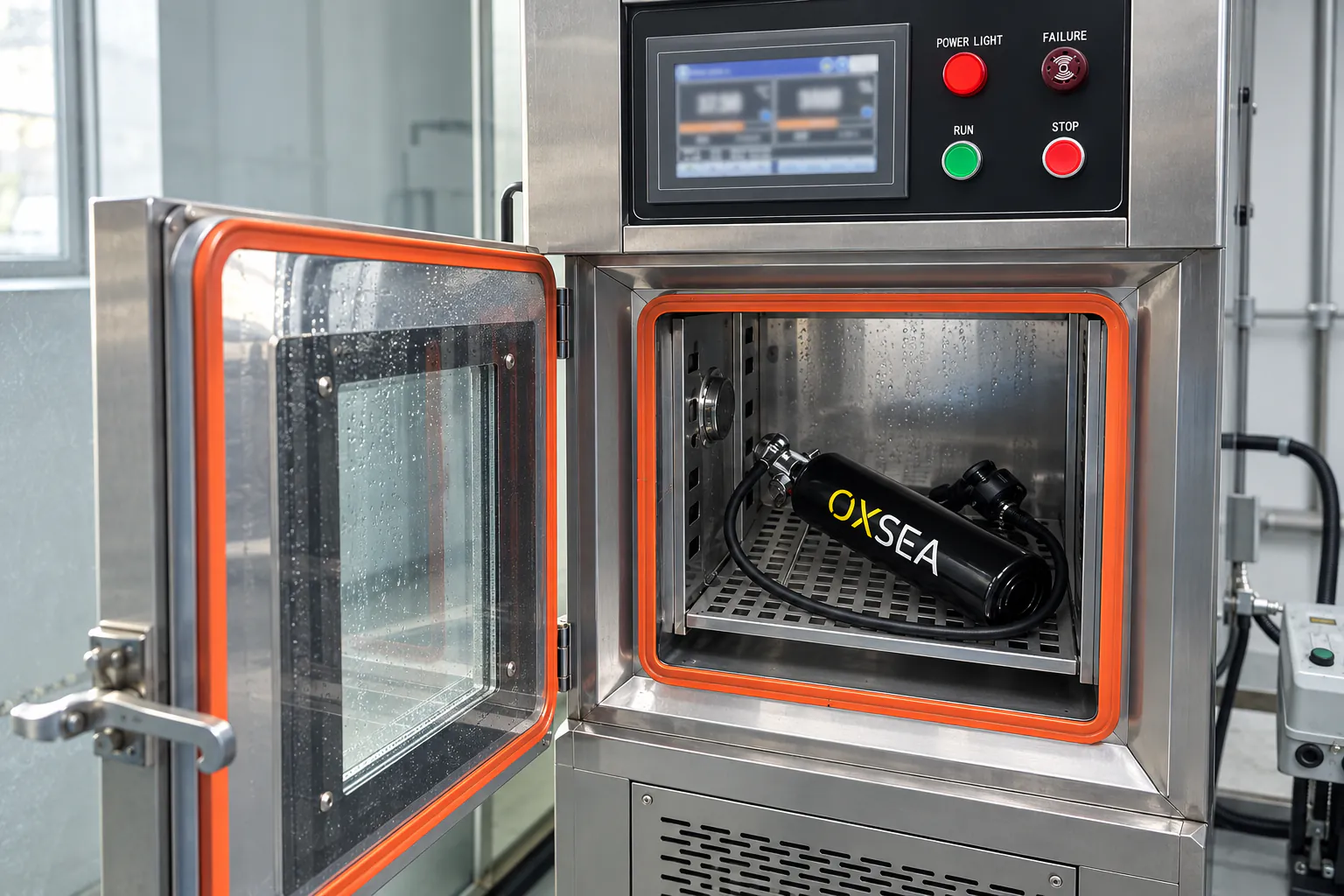
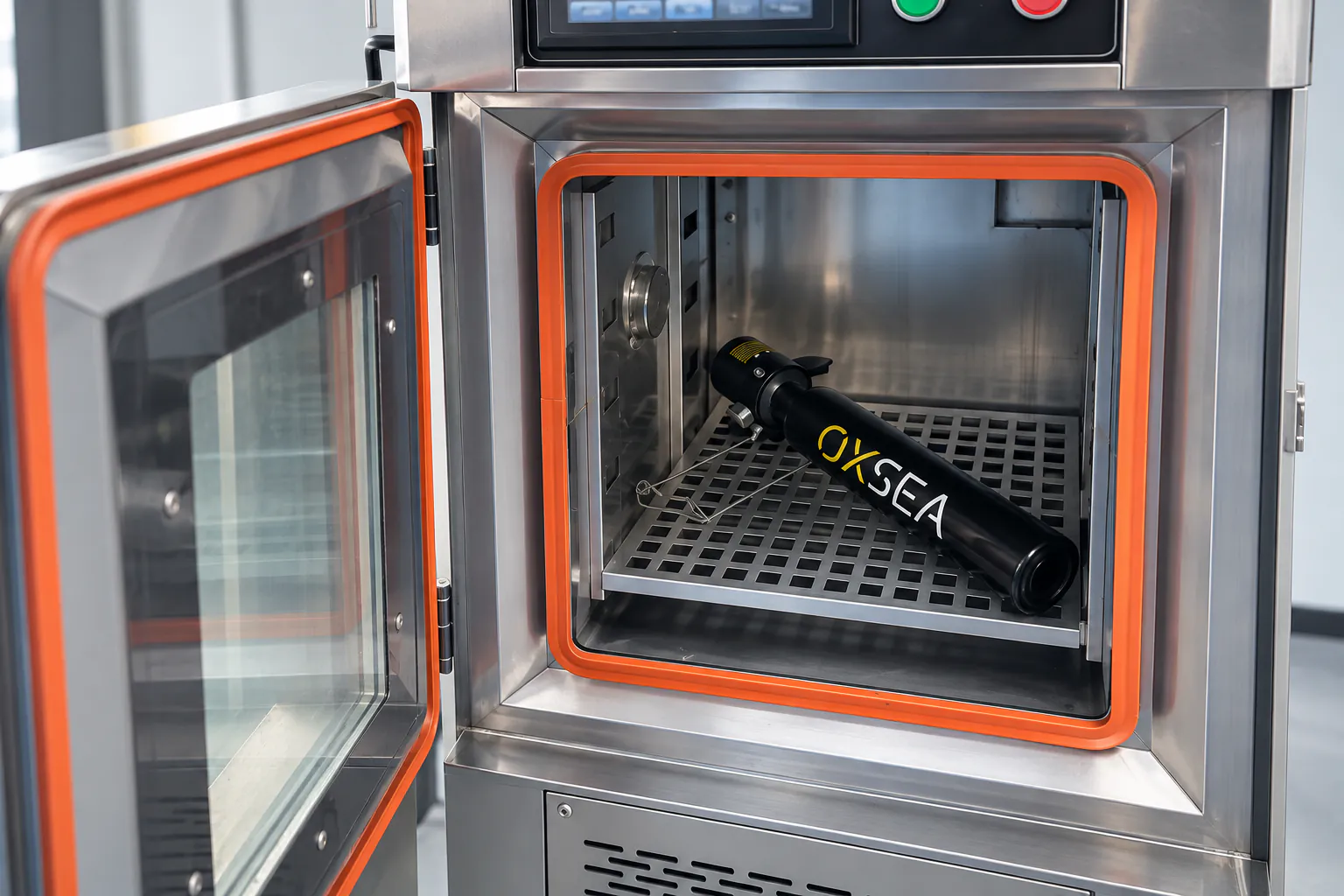
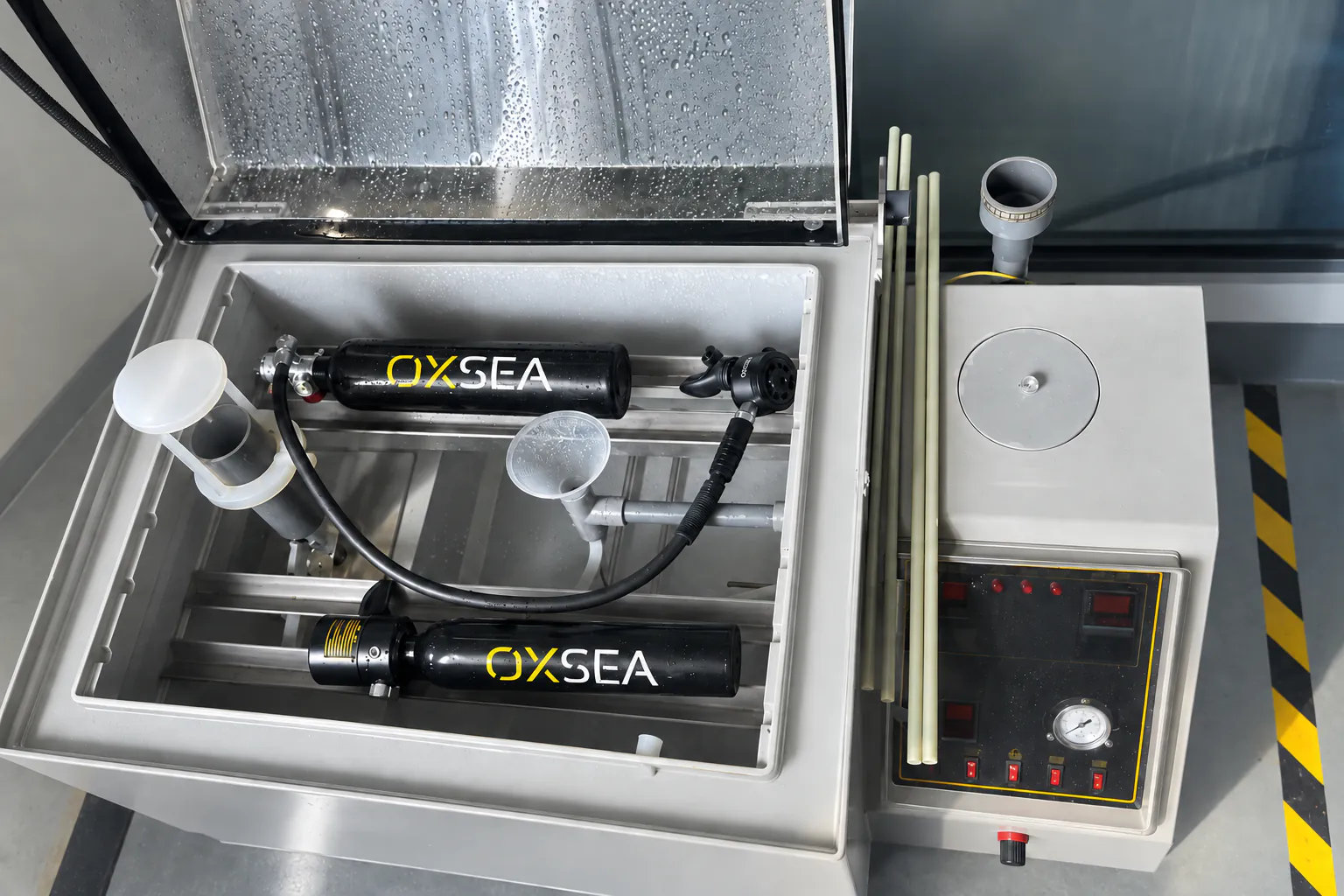
Salt spray on one side, temperature and humidity on the other: these tests study how equipment responds to environmental stresses.
These tests do not make equipment immune to salt. The rinsing, drying and maintenance specified in the user manual remain essential.
The salt spray chamber exposes equipment to a salt-laden atmosphere to study its response to corrosion. Climate chambers examine temperature and humidity conditions. Two complementary types of testing, addressing two different stresses.
06Protection during transport
Between the workshop and your first outing, packaging has a role to play too.
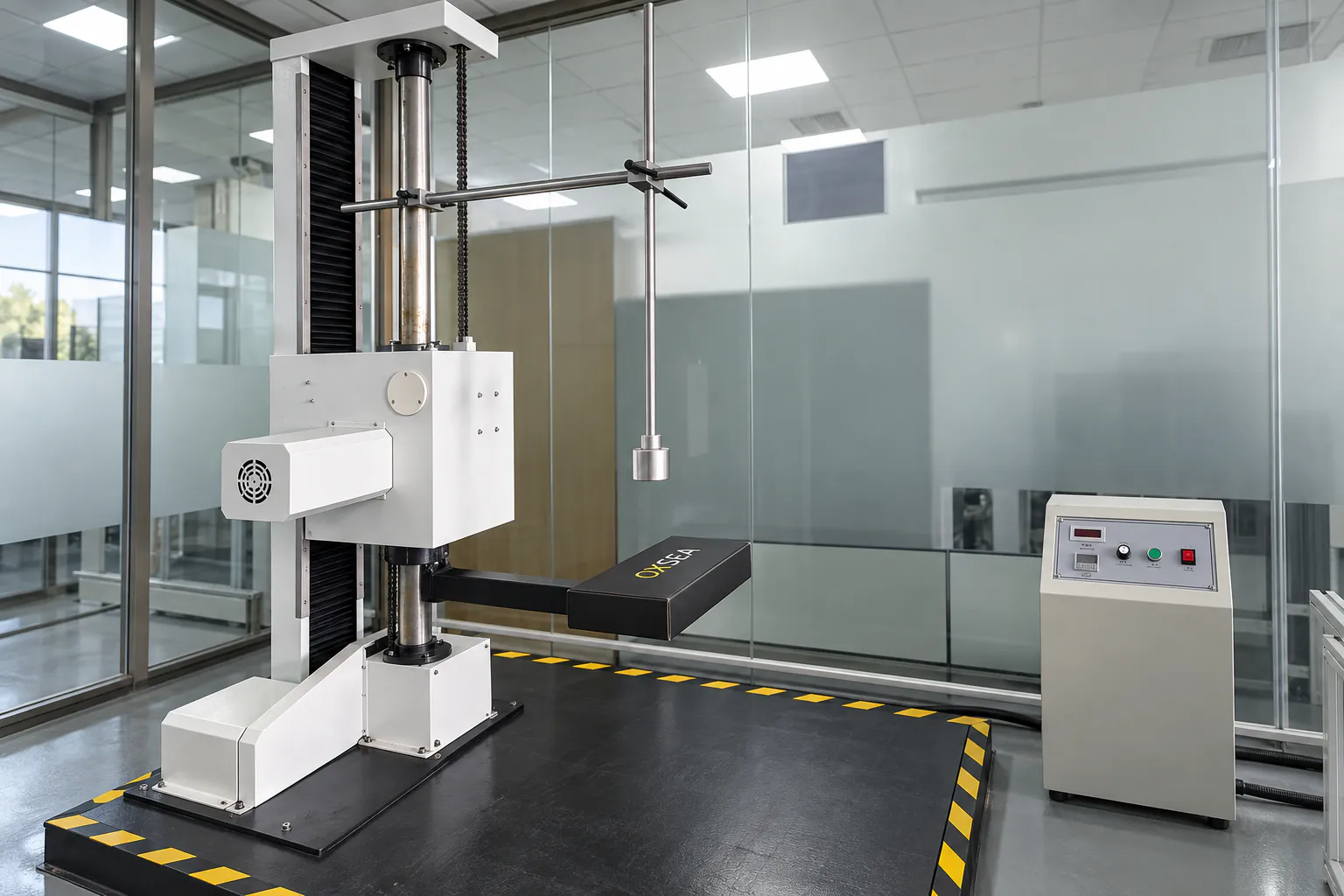
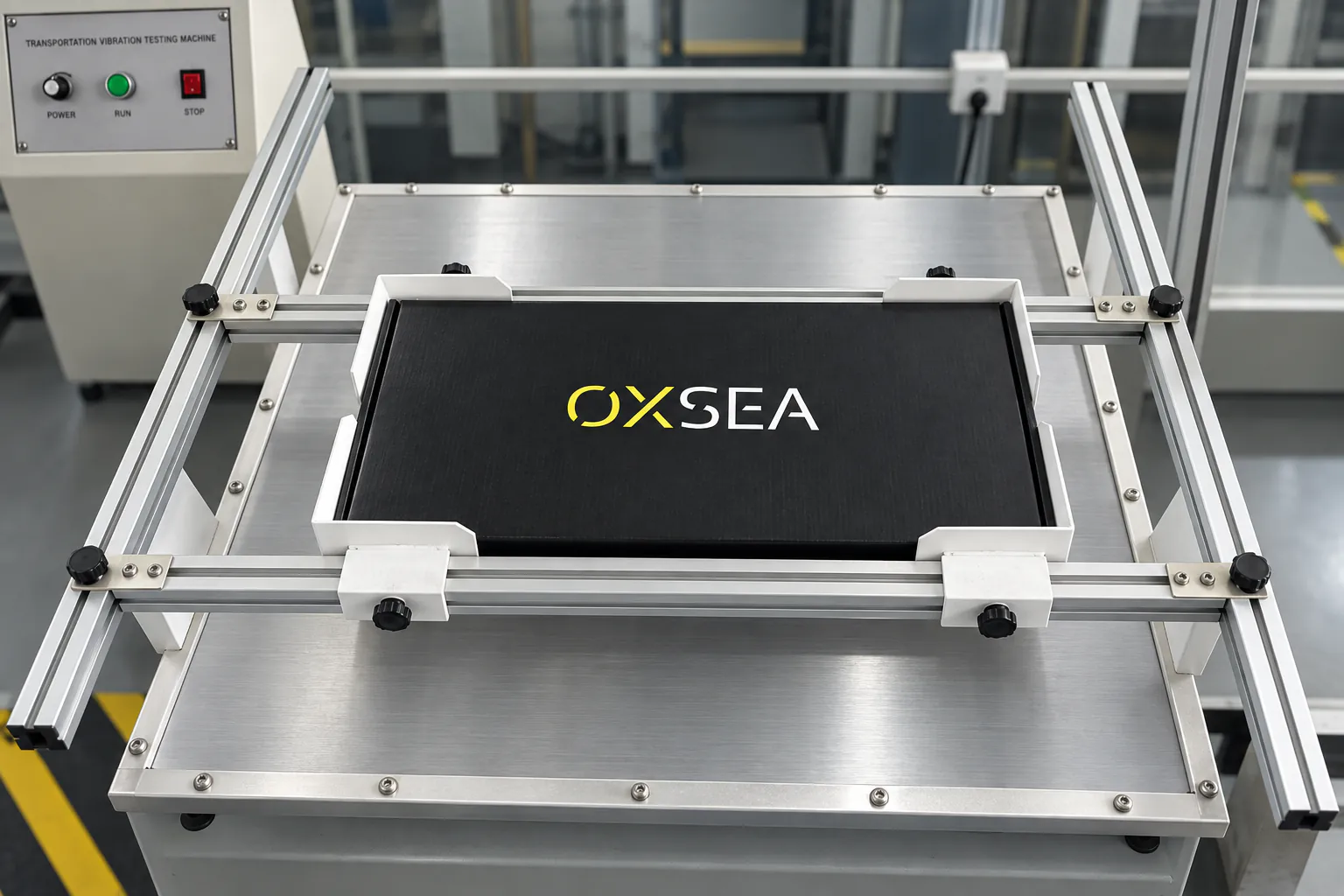
Vibration and drop tests put the package under stress to examine the protection provided by its packaging. Safety matters during transport too.
On delivery, inspect the package and equipment. Any deformation, impact or damaged part calls for a check before the equipment is put into service.
The vibration table puts the package under stress to study its behavior during transport. The drop tester examines the protection provided by the packaging during an impact. The aim is to assess the product and packaging together, beyond the tank on its own.
The 14 images on this page were recreated from our production and testing photographs. They illustrate the equipment and the purpose of the checks; they are not test reports or certificates.
A photograph cannot establish a test pressure, duration or result. For the markings and documents applicable to your tank, our team can help using your model and serial number.
Ask about my equipmentThe next part is up to you.
Factory testing and good practice go together. OXSEA tanks are designed to be accessible to everyone, with no training required. Caring for your gear and preparing every dive remain essential, even close to the surface.
No training is needed. Read your model’s user manual and watch its tutorials to get to know your equipment. If you have any doubt about your health, seek medical advice before use.
Explore OXSEA SchoolCheck the equipment and air reserve. Plan your outing with a buddy, based on water conditions. Advertised air time remains an estimate.
Find my user manualRefill with breathing air, compatible equipment and the specified pressure. Follow your user manual for filtration, rinsing, drying and storage.
Understand refilling and maintenanceBreathe normally underwater.
Never hold your breath while ascending.
Understanding helps you prepare
Pressure, breathing, refilling, maintenance or travel: find answers to the questions that matter, before and after you buy.
No questions match your search. Try another word or contact our team.
OXSEA documentation specifies a 6061 aluminum body. This material combines mechanical strength with low weight. Tank quality also depends on manufacturing, testing and maintenance. Aluminum is not immune to corrosion: rinsing, drying and inspections remain essential, especially after use in salt water.
The stated working pressure for OXSEA tanks is 200 bar. Always check the markings and user manual for your model, as well as the compatibility of your refill equipment. A pressure used on a test bench is never a filling instruction. Do not exceed the permitted pressure, and monitor refilling according to the manufacturer’s procedure.
Check my tank’s user manualNo. The 200 bar figure is the storage pressure inside a full tank, not the pressure of air delivered directly to your mouth. The regulator reduces this pressure to supply air at a pressure appropriate to the surrounding water. Proper operation and maintenance are therefore essential. Difficult breathing or abnormal airflow requires an inspection before the equipment is used again.
A leak check looks for leaks. A hydrostatic test subjects the tank body to pressurized water in a dedicated facility to check its behavior under a defined protocol. These checks address different questions and complement each other. They replace neither inspecting the condition of your equipment before use nor the periodic checks applicable to your tank.
Yes, a rupture is possible: compressed air stores energy. Design, testing, respecting the permitted pressure and maintenance help prevent this risk. Never exceed the specified pressure, and protect the tank from impacts and high heat. If there is any damage, corrosion or leak, keep it out of service until it has been inspected. No device can guarantee zero risk.
The disc is a protective device included in the equipment’s design; it does not make a tank risk-free. It does not allow you to exceed the permitted pressure or ignore an impact, leak or overheating. Do not modify it. If something is wrong, stop using the equipment and ask support for advice. Never work on pressurized equipment.
Have equipment checkedOXSEA states that every tank is individually checked before shipping. This does not mean that each unit undergoes every test illustrated. Production checks and qualification tests serve different purposes; the latter may involve samples or a configuration. To learn about the documented checks for your model, contact our team with your tank’s model and serial or batch number.
Request documents for my modelIdentify your tank’s model, markings and serial or batch number. You can ask OXSEA for the user manual and compliance documents for that reference. A standard or declaration must be linked to the product it covers: a test photograph or logo is not enough to establish compliance across an entire range.
Request documents for my modelNo. OXSEA tanks are designed to be accessible to everyone, with no training required. Before first use, read your model’s user manual and watch its tutorials: assembly, checks, refilling and maintenance. Taking care of your gear remains essential, even with a small tank and close to the surface.
Continue preparing with SchoolFollow the most restrictive limit set by your exact model’s user manual and the conditions of the outing. Tank capacity in liters or stated air time does not define an authorized depth. Shallow water does not rule out pressure-related injuries. If your model’s limit is unclear, have OXSEA confirm it before entering the water.
Check my tank’s user manualAs you ascend, pressure decreases and the air breathed underwater expands. Holding your breath can cause a serious lung injury, even close to the surface. Breathe normally, never hold your breath and follow the ascent instructions in your user manual. This essential habit must be understood and applied on every dive.
Advertised air times are estimates: up to 8 minutes for OX500, 15 minutes for OX1000 and 25 minutes for OX2000. Depth, exertion, breathing and conditions affect consumption. Plan your outing with an air reserve and check the pressure gauge regularly. Never wait until the advertised time is up or the air runs out to arrange your return.
No. Prepare to dive with a buddy. Agree on limits, signals and assistance arrangements before entering the water. Someone staying on the beach does not replace a buddy who can help. Choose conditions suited to your experience, and cancel the outing if visibility, current or your condition make it unsafe to proceed.
Yes. Breathing underwater places demands on the body that may be incompatible with certain health conditions or medications. If you are unsure of your fitness, consult a physician experienced in dive medicine before use. Also follow the age requirements in the user manual. Do not enter the water if you do not feel fit to dive.
No. OXSEA tanks are designed for compressed breathing air. Do not use pure oxygen or a gas mixture that is not approved for your equipment. A bicycle pump or workshop compressor is unsuitable: reaching a pressure does not guarantee breathing-air quality. The equipment, filtration and refill procedure must all be appropriate for this use.
In the current range, the OXSEA manual pump is intended for the OX500. The mini compressor is suitable for the OX500 and OX1000. The Power refills all three models and is the compressor option specified for the OX2000. Check the fittings and instructions for your version. Follow the prescribed pressure, operating cycles, rest periods and maintenance in the user manuals.
Choose my refill equipmentUse a system designed for breathing air, with the specified filtration maintained according to its manual. Position the intake in clean air, away from exhaust, fumes and chemicals. A filter does not make every atmosphere acceptable. Follow filter replacement intervals and maintenance procedures; the absence of an odor alone does not establish that the air is safe.
View filtration tutorialsBefore use, check the overall condition, fittings, hoses, pressure gauge and air reserve according to the manual. After the outing, follow the fresh-water rinsing and drying procedure for your model, without letting water enter the system. Store the equipment away from heat and impacts. These everyday steps complement inspections; they do not replace them.
Requirements depend on the model, its markings, its history and the rules in the country of use. Consult the user manual and have a qualified professional determine the necessary inspections or retests. Do not apply an interval found for a different tank. An impact, exposure to high heat or a defect may require an inspection before the usual due date.
Review my maintenance needsStop using and refilling the equipment. A leak, visible corrosion, deformation, an unreliable gauge or an impact calls for technical advice before returning it to service. Do not try to tighten or dismantle a pressurized fitting. Send support the model, circumstances and photos, then follow their instructions for inspection and, if needed, transport.
Prepare my technical support requestAsk your airline about its transport conditions and check security rules at every stage of your journey. Acceptance varies by carrier and destination. A pressurized tank must not travel by air. Its preparation and any disassembly must follow your model’s procedure, after complete depressurization. Obtain these instructions before departure; never dismantle pressurized equipment.
Prepare my equipment for travelNo: allow a dive-free interval before flying or traveling to altitude. Its length depends on dive profiles and repeated dives; using a mini tank does not remove this precaution. Plan your trip following DAN recommendations. If you have symptoms after diving, seek emergency assistance and urgent medical advice before any travel.
Read the flying-after-diving recommendationsIf you experience unusual symptoms during or after a dive, contact local emergency services immediately and tell them that a dive took place. Give your location, symptoms and any available dive information. Do not wait for a support reply before seeking medical help. For a nonemergency equipment fault, keep the equipment out of service and contact OXSEA support.
Contact OXSEA technical supportDon’t take uncertainty underwater.
If there is a leak, a damaged part or unusual behavior, stop using the equipment. Never dismantle a fitting, tank head or pressure gauge while pressurized. Our troubleshooting tool helps you send the right information to support.
Unusual symptoms during or after a dive require urgent assessment. Contact local emergency services and tell them that a dive took place. OXSEA support does not replace emergency services.